Why Reading is the Key to Cognitive and Social Evolution
Updated on
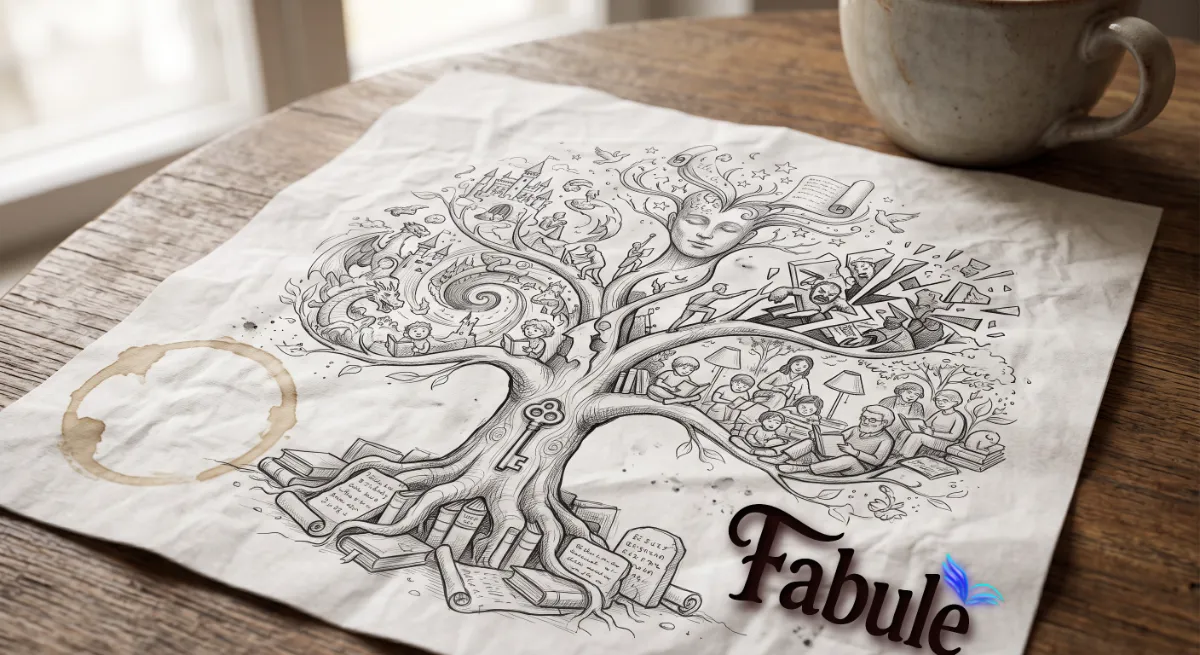
It is remarkable how a single activity can take on such vastly different meanings depending on our stage of life and how we approach it. For children and young adolescents, for instance, reading is a gateway to imagination:
- they lose themselves in the worlds of coloring and activity books;
- they are spellbound by bedtime stories read aloud by parents and grandparents;
- they project themselves into new identities through comic books, walking in the shoes of superheroes and vigilantes who are loved or feared by all.
Then, a shift often occurs. Reading stops being a personal choice and becomes a chore imposed by middle and high school curricula. Opening a book becomes just another box to check, a task to complete for grades and credits. Turning the pages starts to feel like labor—sometimes a nuisance, often a bore—precisely because the choice has been taken out of their hands, standardized for everyone, and stripped of any personal connection.
Yet, once school is behind us, the pendulum often swings back. For those who choose to return to books, reading becomes a pleasure once more—a sanctuary from daily stresses, a quiet escape from the noise of the world. It is no longer just about daydreaming, but about experiencing deeper, more complex emotions. Through the psychological depth of characters, readers engage in a sort of emotional transference, mirroring and examining their own feelings. In this way, reading becomes a tool for personal growth and critical thinking, helping us better understand human nature and society so we can engage with the world more actively and mindfully.

What Neuroscience Tells Us: How Reading Drives Evolution
Numerous neuroscience studies have backed up this premise (for a deeper dive, I highly recommend an insightful article by Alessia Alfonsi linked in the references). To put it briefly, reading fiction stimulates the brain socially, emotionally, and relationally. It trains the brain to navigate complex problems and social conflicts. When the brain is stimulated by freely chosen narrative experiences rather than forced tasks, it builds cognitive maps. These mental models go far beyond the words on the page; they are carried over and applied directly to real-life situations.
Reading fiction, therefore, is one of the most effective paths toward cognitive evolution. Through stories, the brain discovers new solutions and diverse perspectives, allowing individuals to refine and optimize how they navigate their social, professional, personal, and civic lives.
The High Cost of Not Reading: Cultural and Social Decline
A warning has been echoing in recent years: people are reading less and less. Whether due to general disinterest, the rise of fast-paced digital media, a lack of time, or the fragmented nature of modern life—which constantly interrupts our attention span—our collective engagement with books is plummeting. Yet, walking away from reading has devastating and well-documented consequences: a shrinking vocabulary, the erosion of complex logical reasoning and critical analysis, a growing struggle to feel empathy, and political and social apathy. In short, it leads to a profound cultural, personal, and human decline.
In our fast-paced society, we simply cannot afford this. Because when you run blindly without a direction, you either crash or end up letting someone else steer your course.
We are a species in constant evolution. The choice between self-destruction and self-elevation is ours alone. Technology should never replace our agency; it should serve as a support tool to enhance our skills and help us use them more effectively.
Sharpening our minds begins—and will always coexist—with reading. It allows us to daydream just as we did as children, but with one crucial difference: this time, we have the power to make those dreams a reality.
Try Fabulè to find the thread of your readings
Start for free